
One group received intensive lifestyle interventions, and was told about the number of calories in alcohol. Members of this group were advised that they could decrease drinking as a means of reducing caloric intake. The other group served as a control, and members were invited amphetamine addiction treatment to three sessions each year focused on diet, physical activity, or social support. So what should you do about alcohol consumption while on a diet? A common-sense approach is to drink very moderately, if consuming a very small amount of alcohol will make staying on the diet easier. And exercise might compensate for the extra calories so weight loss won’t be slowed.
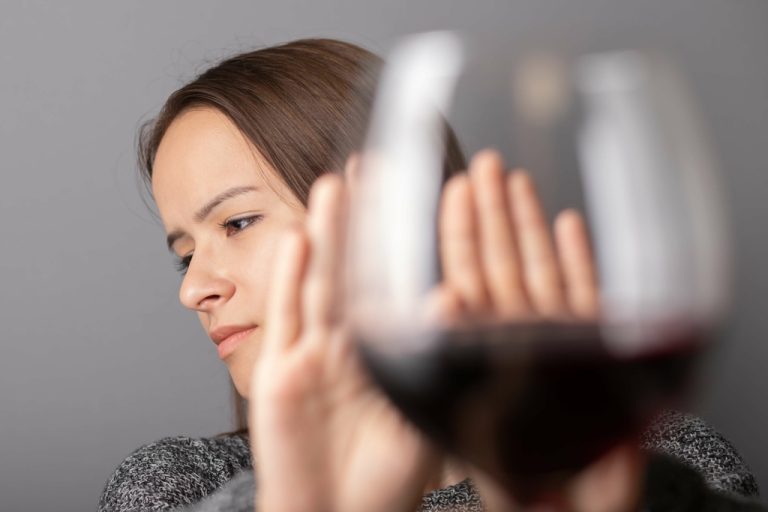
How Alcohol Affects Fat Metabolism
Think of alcohol as a treat, much like dessert – it’s fine in moderation, but you wouldn’t necessarily have it with every meal. It’s also worth opting for lower-calorie options, such as light beers. Try sticking to occasional consumption, such as only choosing to drink if it’s a special occasion or non-consecutive days. Overall, Simon says, that the best protection against weight gain is “sticking to that average of four or less drinks a week for women, and less than two drinks a day for men.” Alcohol can also affect hunger levels, which may lead you to snack more, which then causes you to consume more calories, which ultimately may cause weight gain. “Alcohol can stimulate the appetite, leading to overeating or choosing high-calorie food whether at home or at restaurants.” Increased hunger and a decreased will to make good choices?
Body parts
Learn how oral GLP-1 medications like Rybelsus and new options work to manage type 2 diabetes and support weight loss. If you’re struggling to lose weight, LifeMD’s Weight Management Program can provide the guidance https://ecosoberhouse.com/ and support you need to reach your goals. The program offers patients access to ongoing clinical care and GLP-1 medication, when medically appropriate, to help you lose weight and keep it off. Consider exploring nonalcoholic versions of your favorite drinks and experimenting with different flavors. Additionally, medications such as antidepressants commonly prescribed for depression can contribute to weight gain by increasing appetite. Depression can lead to emotional eating, often causing overeating, especially with calorie-dense comfort foods.
NHS Trusted Meal Plan — Lose Weight the Healthy Way
Drinking alcohol close to bedtime is initially a sleep aid; this is where the idea of ‘a drink before bed’ came from. However, alcohol impacts the critical stages of your sleep, such as deep and REM sleep. Most of us are probably aware that we prefer stodgy foods after drinking and are less inclined to be active the next day, but it can be pretty surprising when the numbers are added up. You may or may not be surprised to hear that alcohol consumption can significantly affect your weight, but not necessarily in the way you might think. When you decide to quit alcohol, your body undergoes positive changes.
Is Weight Gain a Sign of Alcohol Addiction?
The important thing is that you factor those calories in along with what you eat, she says. In contrast, older adults (ages 50+) may experience a more pronounced increase in appetite due to age-related changes in metabolism and hormone production. However, regardless of age, the key takeaway is that being aware of the link between alcohol and cravings can empower individuals to make more informed choices. On one hand, it can act as an appetite suppressant, leading to reduced food intake in the short term.
Coffee and tea have health benefits
Excessive drinking could cause an individual to develop more of an “apple” body shape, where a higher level of body fat is distributed in the abdominal region. There are websites claiming that alcohol is an energizer that can help burn calories, and be a practical way to achieve weight loss. Whether a holiday party or not, alcohol consumption is very popular in the does alcohol make you gain weight United States. Check with your doctor right away if you have anxiety, restlessness, a fast heartbeat, fever, sweating, muscle spasms, twitching, nausea, vomiting, diarrhea, or see or hear things that are not there.
- And the problem is worse for those who are not physically active.
- That can make it easy to inadvertently consume more calories than you need.
- A single glass of wine or a pint of beer can contain 150–250 calories and cocktails are often the worst culprit due to sugary mixers and syrups.
- The most important thing is to focus on your recovery from alcohol use disorder and not be discouraged by any possible weight gain.
- Dry wines, light beers, or clear spirits mixed with soda water or diet tonic tend to have fewer calories and less sugar.
- Keeping a food diary or using an online food tracker or app can help monitor your calorie intake.
Another review showed that regular consumption of green tea could be beneficial for reducing body weight and waist circumference. One popular method involves 24-hour fasts once or twice per week. Another consists of fasting every day for 16 hours and eating all your food within an 8-hour period. However, while probiotics may be beneficial for weight loss, more research is needed.
Nutritional Profile: What Does Whiskey Lack?
Sugary sodas, sweetened juices, syrups, or cream-based liqueurs add significant carbohydrates and fats that multiply total calorie intake quickly. Some believe that because alcohol heats up the body during metabolism (thermogenic effect), it helps burn fat faster. Alcohol is high in empty calories and promotes fat storage, particularly around the abdomen, which is linked to insulin resistance. Over time, regular alcohol intake not only raises the risk of insulin resistance but also contributes to weight gain.